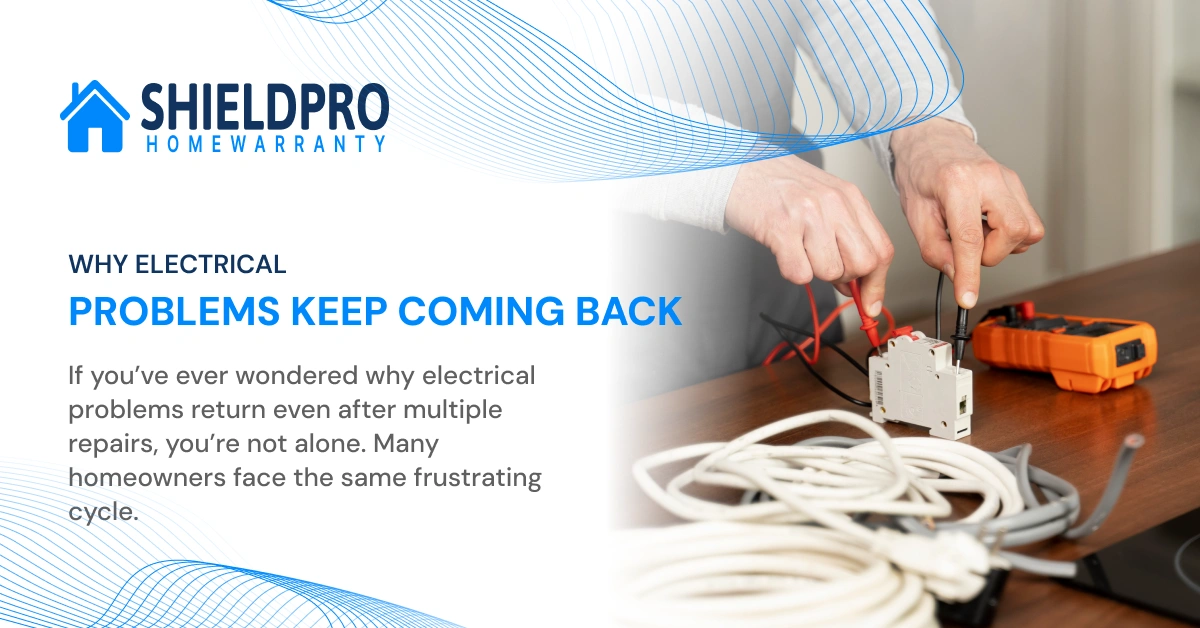
When purchasing a home warranty, one of the most common questions homeowners have is whether electrical problems are covered. The answer depends on the specific home warranty plan and the nature of the electrical problem. While many home warranties offer coverage for electrical systems, it’s important to understand the specifics of what’s typically covered and what’s excluded.
What Is a Home Warranty?
A home warranty is a service contract designed to help homeowners cover the repair or replacement costs of home systems and appliances that break down due to normal wear and tear. This is separate from homeowners insurance, which covers damage due to accidents or disasters.
Home warranties are intended to cover unexpected breakdowns of systems like plumbing, HVAC, and electrical systems, protecting homeowners from high repair costs. However, coverage depends on the provider, the specific plan chosen, and the terms and conditions outlined in the warranty agreement.
Does a Home Warranty Cover Electrical Problems?
Yes, many home warranty plans can cover electrical problems. However, it is not automatic across all plans, and you need to read the contract carefully. Most home warranties cover wiring, outlets, circuit breakers, panels, and some built-in electrical components. The coverage may apply if the issue is related to wear and tear of the system, rather than external damage or accidents.
Common Electrical Issues That Are Covered
Here are some of the electrical issues that are typically covered under most home warranty plans:
- Interior Wiring: Electrical wiring inside your home, which includes wiring behind walls that may break down or wear out over time.
- Circuit Breakers: If a circuit breaker fails or breaks due to regular use, it may be covered under a home warranty plan.
- Breaker Panels: Many plans will cover problems with the main electrical panel or fuse box, including faults that result from aging or wear.
- Outlets and Light Switches: Malfunctioning outlets or switches caused by normal wear and tear are often covered.
- Hardwired Fixtures: Electrical components that are permanently fixed, such as ceiling fans or built-in smoke detectors, may be covered if they fail due to wear.
What Electrical Problems Are Not Covered?
While many electrical issues are covered, some problems are typically excluded from coverage. Here are examples of non-covered electrical problems:
- External Wiring: Electrical problems outside the home, including issues with wiring from the utility company, the meter box, or external connections, are generally not covered.
- Power Surges or Lightning Strikes: Damage caused by power surges, lightning, or other external factors like storms is typically excluded from electrical coverage.
- Improper Installation: If your electrical system was improperly installed, the warranty may not cover repairs or replacements. Faulty workmanship or issues caused by previous renovations might not be included.
- Pre‑Existing Conditions: Electrical problems that existed before the home warranty was purchased will usually not be covered.
- Upgrades or Code Violations: If the system needs upgrading to meet current codes or regulations, the warranty may not cover the associated costs.
Factors That Affect Coverage
The extent of electrical coverage can vary widely from one home warranty provider to another. These are some factors that affect whether electrical issues are covered:
- The Plan Type: Some warranty plans only cover appliances, while others include systems like electrical, plumbing, and HVAC. You may need to choose a plan that includes electrical coverage.
- Service Fees and Limits: Even if electrical problems are covered, service fees, deductibles, and coverage limits (e.g., how much the warranty will pay per claim) may apply.
- Add-Ons or Customizations: Some providers allow homeowners to purchase additional coverage for specific components, such as electrical systems. These add-ons may help cover more extensive or specific electrical issues.
How to File a Claim for Electrical Problems
If you experience an electrical issue that you believe is covered by your home warranty, the first step is to file a claim with your warranty provider. Here’s how the process generally works:
- Contact the Warranty Provider: Notify your warranty company about the issue, providing as much detail as possible.
- Wait for Approval: The warranty company will typically assess the issue to determine whether it’s covered under the contract. They may send a technician to inspect the problem.
- Repair or Replacement: If the claim is approved, a technician will repair or replace the faulty component (wiring, outlets, panel, etc.), often at no cost to you beyond the service fee.
Why Electrical Coverage Can Be Important
Electrical problems, especially in older homes, can be both expensive and disruptive. A home warranty that covers electrical systems can help homeowners avoid paying for costly repairs out of pocket. Some common electrical issues, like breaker panel failures, wiring problems, or outlet malfunctions, can be expensive to fix, especially if you need to hire a licensed electrician.
What to Look for in a Home Warranty for Electrical Coverage
If you’re considering a home warranty and want electrical coverage, keep the following tips in mind:
- Read the Contract: Carefully review the warranty terms to understand what is and isn’t covered under electrical systems.
- Know the Limits: Some warranties have coverage limits or caps on what they will pay for repairs or replacements. Be sure to understand these limits to avoid unexpected costs.
- Maintenance and Inspections: Some home warranties require homeowners to maintain their systems and conduct inspections. Failure to do so might result in a denied claim.
- Ask Questions: If you’re unclear about the coverage, contact the provider and ask for clarification on specific issues, such as wiring, panels, or breakers.
FAQ’s
1. Does a Home Warranty Cover Electrical Wiring?
Yes, most home warranty plans cover electrical wiring inside the home, including wiring behind walls and connections to outlets and switches. However, coverage can vary depending on the provider and the specific terms of your warranty plan. It’s important to confirm that electrical wiring is included before purchasing the warranty.
2. What Electrical Components Are Covered Under a Home Warranty?
A typical home warranty plan covers electrical systems like circuit breakers, breaker panels, outlets, light switches, and hardwired fixtures such as ceiling fans and smoke detectors. However, components like external wiring or damage from power surges are generally excluded from coverage. Always check your warranty agreement for the specific details.
3. Are Power Surges Covered by Home Warranties?
No, power surges caused by lightning strikes or other external factors are not covered by most home warranty plans. These issues typically fall under the realm of homeowners insurance rather than a home warranty. For electrical protection against surges, consider adding a surge protector to your home.
4. Do Home Warranties Cover Electrical Problems Caused by Age or Wear and Tear?
Yes, electrical issues caused by age or normal wear and tear are typically covered by home warranties. Common issues like outlet malfunctions, circuit breaker failure, oraging wiring can be repaired or replaced through a home warranty, provided the failure is due to regular use and not external damage.
5. How Do I File a Claim for Electrical Problems Under My Home Warranty?
To file a claim for electrical issues, contact your home warranty provider and explain the problem. They will usually assess the situation and send a licensed technician to inspect the issue. If the claim is approved, the technician will repair or replace the faulty electrical components, often with just a service fee to be paid by the homeowner.
Conclusion
Home warranties can cover electrical problems, but coverage depends on the provider, the specific plan, and the nature of the issue. Typically, electrical wiring, outlets, circuit breakers, and breaker panels are covered for wear and tear, but problems resulting from external factors like power surges, lightning, or pre-existing conditions are usually excluded.
Before purchasing a home warranty, read the fine print to fully understand what is covered and what is not. By selecting the right plan and knowing what to expect, a home warranty can offer peace of mind when it comes to protecting your home’s electrical system.